
Keeps route awareness available in fog and clear weather
FogPASS is designed for dense winter fog, but its value is not limited to fog season. It gives the loco pilot a dependable electronic reference for the route ahead in day-to-day running as well: signals, gates, neutral sections and speed restrictions are displayed and announced before the train reaches them.
The unit rides in the cab as a standalone handheld — no wiring, no interface with locomotive systems, nothing to fit or remove at either end of the run. The pilot signs on at the start of the run, and from that moment FogPASS reads the stored landmark database for the section and works ahead of the train: the next three landmarks stay on screen in geographical order with live distance, and each one is announced by voice roughly 500 metres out. That timing holds at speeds up to 160 kmph, on single or double line, electrified or not, behind any traction.
Two units, one specification
Ver. 2.0 is the unit in service today and the one we supply against current tenders. Ver. 3.0 is built to the newer revision of the same specification and is under development.
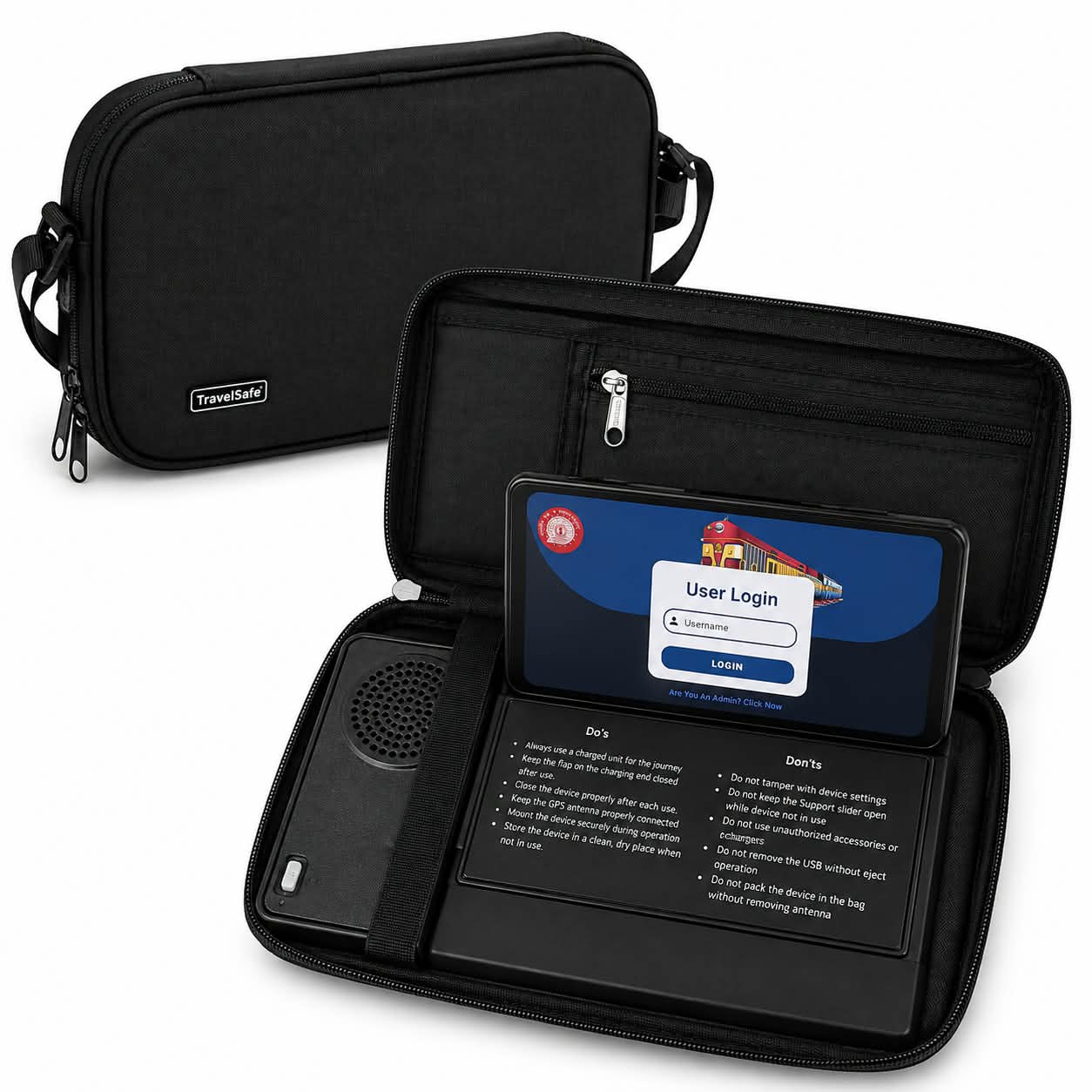
FogPASS — Ver. 2.0
RDSO/SPN/201/2010 Ver. 2.0- Hinged display that folds down flat into the case
- Detachable external GPS antenna
- Single built-in speaker
- USB port for route data transfer
- Supplied in a padded carry case with shoulder strap
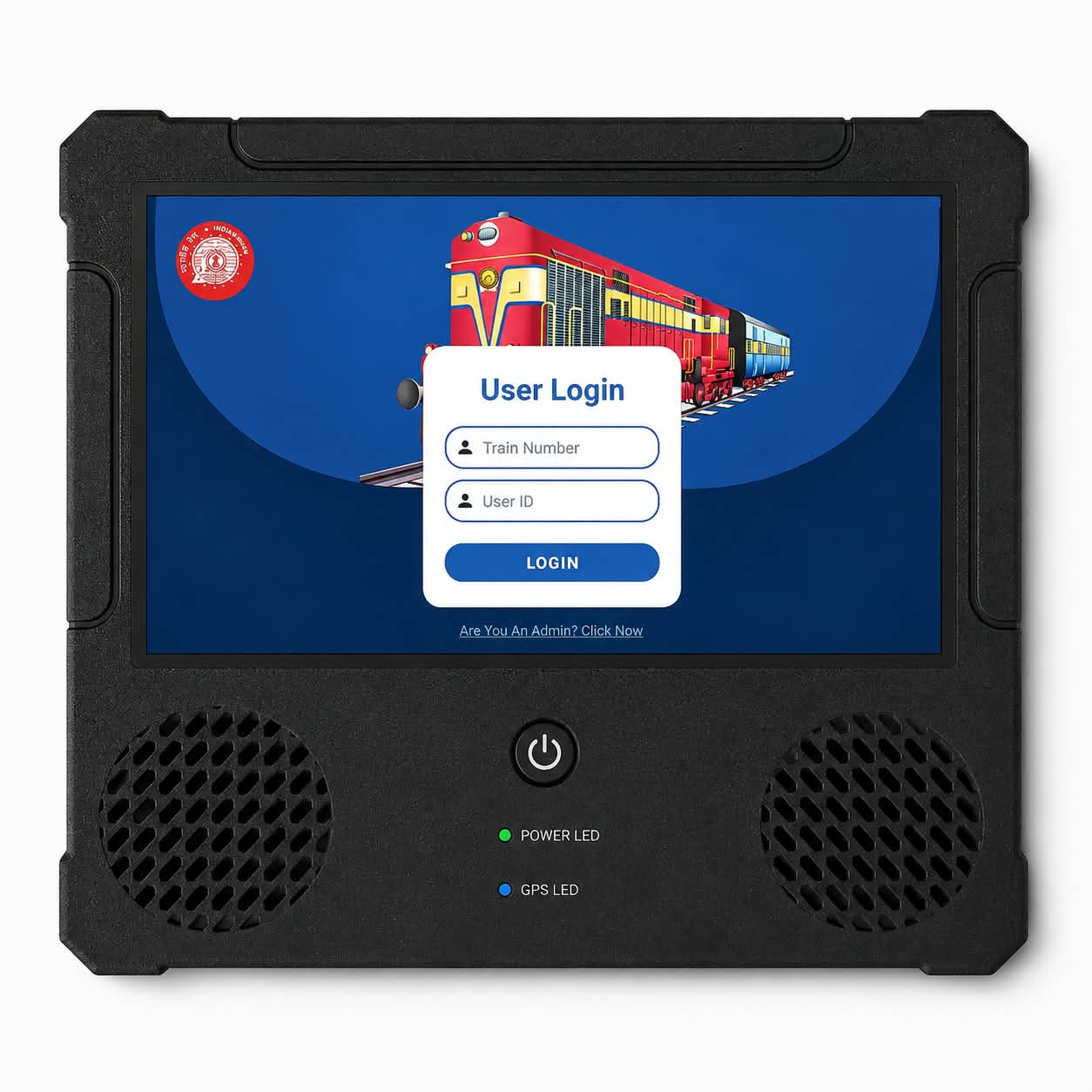
FogPASS — Ver. 3.0
RDSO/SPN/201/2010 Ver. 3.0- Auto track change — picks up the switch to another line on its own and re-reads the landmark list, with nothing for the pilot to do.
- Dual-band GNSS with NavIC — GPS L1 and L5 alongside the Indian NavIC constellation.
- Dead reckoning through tunnels — holds position when the satellite signal drops out.
- Accuracy of 1 m or better
- Widescreen display, and a lighter unit to carry
Working to a tender and not sure which version it calls for? Send us the tender reference and we will confirm.
Three steps, no locomotive wiring
FogPASS is a standalone handheld unit — the pilot collects it at sign-on and carries it into the cab.
1. Locates the train
An onboard GPS receiver fixes the locomotive's position and direction of travel on the route.
2. Reads the route database
The stored landmark database for that section is matched against the live position to find what is coming up.
3. Warns the pilot early
The next three landmarks appear on screen, and a voice message announces each one about 500 m before it arrives.
Built for the winter fog season
This list describes Ver. 3.0, the unit currently under development. Ver. 2.0 — the version in service today — does the same core job: landmark alerts, voice announcement and fully standalone operation, without the newer positioning and track-change features.
- Landmarks covered — signals, manned and unmanned level crossing gates, permanent speed restrictions and neutral sections, plus any other location you choose to define as a landmark.
- Next-three display — upcoming landmarks listed in geographical order with live distance.
- Voice announcement — twin speakers call out each landmark roughly 500 m on approach, loud enough to carry over cab noise.
- Auto track change — when the train moves to another line the unit picks it up on its own and re-reads the landmark list, with nothing for the pilot to do.
- Dead reckoning through tunnels — position is carried forward when the satellite signal drops out, so the alerts do not stop at the tunnel mouth.
- Sub-metre positioning — dual-band GNSS on GPS L1 and L5 with NavIC, accurate to 1 m or better.
- Widescreen colour touchscreen — sized to be read at a glance without leaving the controls.
- Any section, any traction — single or double line, electrified or not; electric and diesel locomotives, EMU, MEMU and DEMU.
- Crew sign-on — pilot logs in with train number and user ID, so every run is recorded against the crew that made it.
- Administrator mode — separate access for route database and user management, kept out of the pilot's way.
- Status at a glance — dedicated power and GPS indicators confirm the unit is live and locked on without opening a menu.
- Rugged housing — moulded shell with protective corner bumpers, built for daily handover and cab handling.
- 18-hour rechargeable backup — covers a full duty cycle plus margin.
- Standalone unit — no interface with locomotive systems, so no fitment downtime.
Ver. 2.0 and Ver. 3.0 compared
Ver. 2.0 figures are the requirements of RDSO/SPN/201/2010 Ver. 2.0 (effective 29.09.2016), which the unit in service meets. Ver. 3.0 figures are those confirmed so far; the rest follow once development completes.
| Requirement | Ver. 2.0 — in service | Ver. 3.0 — under development |
|---|---|---|
| Specification | RDSO/SPN/201/2010 Ver. 2.0 | RDSO/SPN/201/2010 Ver. 3.0 |
| Positioning | GNSS on L1 C/A code, 12 or more tracking channels, NMEA-0183 | Dual-band GPS L1 and L5, with NavIC |
| Positional accuracy | Better than 10 m | 1 m or better |
| Tracking sensitivity | Better than −150 dBm | Confirmed after development |
| Loss of satellite signal | Signal quality flagged on the display | Dead reckoning maintains position through tunnels |
| Route / track selection | Selected automatically from position and direction, then confirmed by the pilot | Automatic track change, with no pilot input |
| Antenna | External, magnetic base, supplied with cable | Confirmed after development |
| Display | LCD, 6″ × 3″ minimum at 256 × 96 px, swivelling | Widescreen colour touchscreen |
| Controls | Four-key pad — Menu, Up, Down, Enter | Touchscreen, with sign-on by train number and user ID |
| Status indicators | Five LEDs — charging, low battery, GNSS status, up track, down track | Power and GPS lock indicators |
| Audio | Speaker with volume control, 85 dB or better at maximum; 3.5 mm auxiliary out | Twin front-facing speakers |
| Pre-warning distance | 500 m as standard, configurable per landmark or group | Set by the administrator, according to foggy or non-foggy running |
| Landmarks displayed | Immediate landmark in large type, next two below it | Immediate landmark, next two below it |
| Maximum train speed | 160 kmph | 160 kmph |
| Battery | Built-in Li-ion, 18-hour backup | Built-in rechargeable, 18-hour backup |
| On-board storage | 2,000 route km or more, plus a 15-day event log | Confirmed after development |
| Ports | USB, with RS-232 optional | Confirmed after development |
| Future expansion | GSM modem interface, with space provided in the housing | Confirmed after development |
| Housing | IP54, shock resistant, polycarbonate or high-impact ABS, 3 mm minimum wall | Confirmed after development |
| Weight | 1.5 kg or less, including battery | 800 g or less |
| Carrying | Nylon shoulder bag; the unit is used without taking it out | Confirmed after development |
Note: values above are indicative — confirm against the supplied datasheet before tendering.
Deployed across the network
Any service that has to keep time through a fog-affected section, and any pilot who would otherwise be running under caution orders.
Mail & express services
Long-haul services running through the northern fog belt during the winter months.
EMU / MEMU / DEMU rakes
Suburban and passenger rakes on dense, frequently signalled sections.
Goods & freight
Freight operations where visibility loss otherwise forces heavy cautioning and delay.
Related products
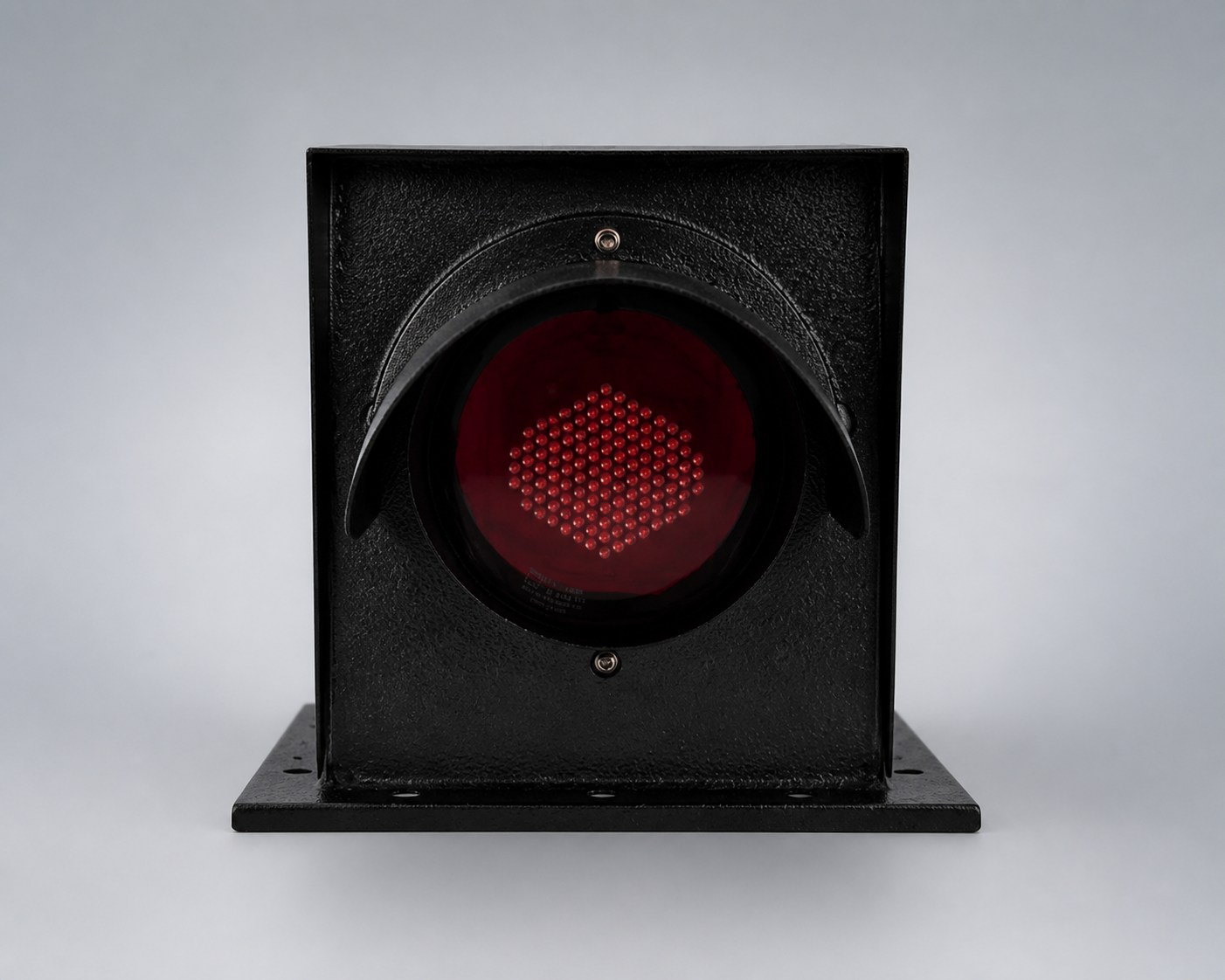
Railway Signals
Hooded single-aspect LED signal unit for Railway signalling installations.
Enquire →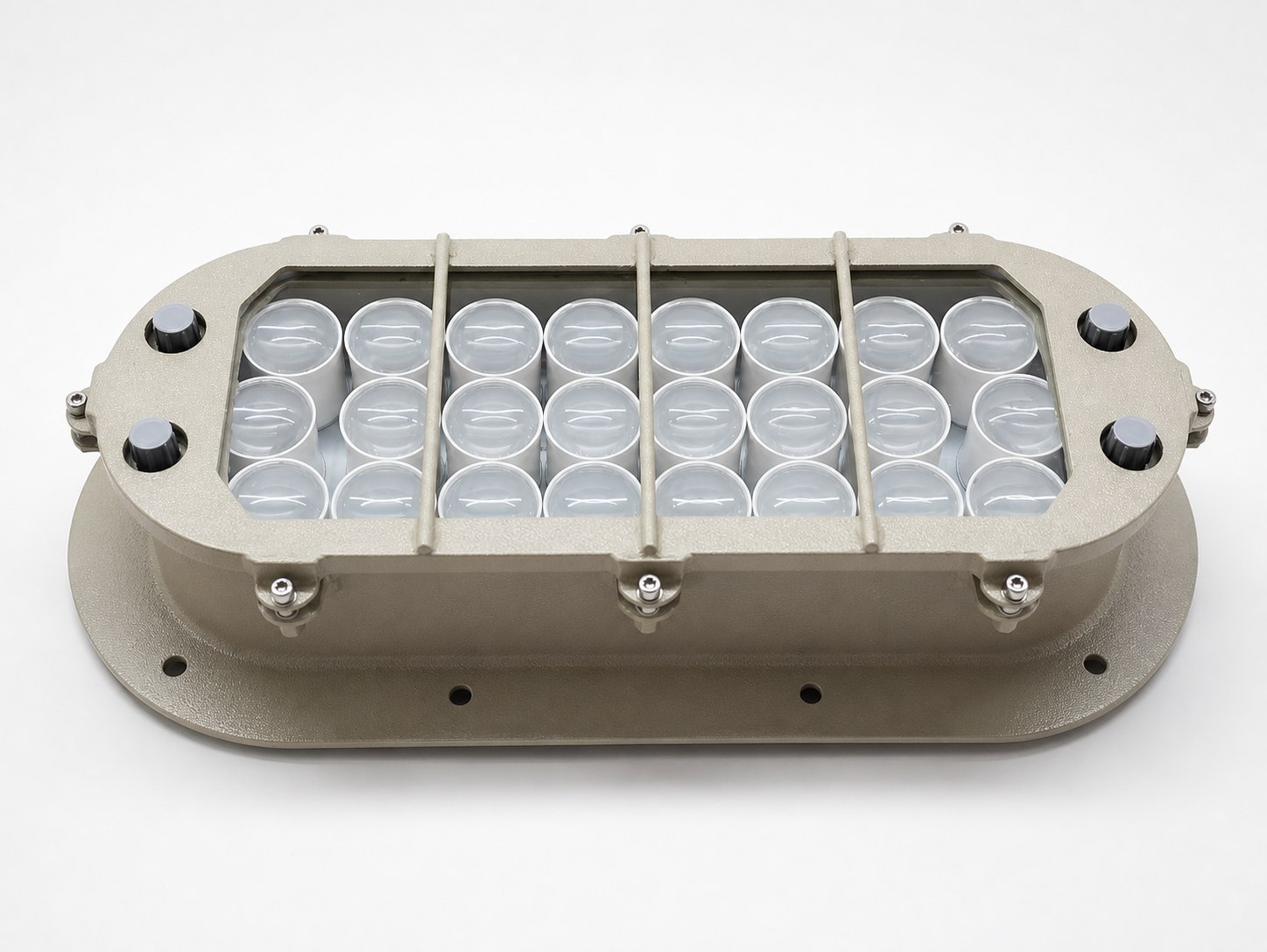
HHP Loco Twin Beam LED Headlight
LED headlight module for locomotive fitment and Railway field requirements.
Enquire →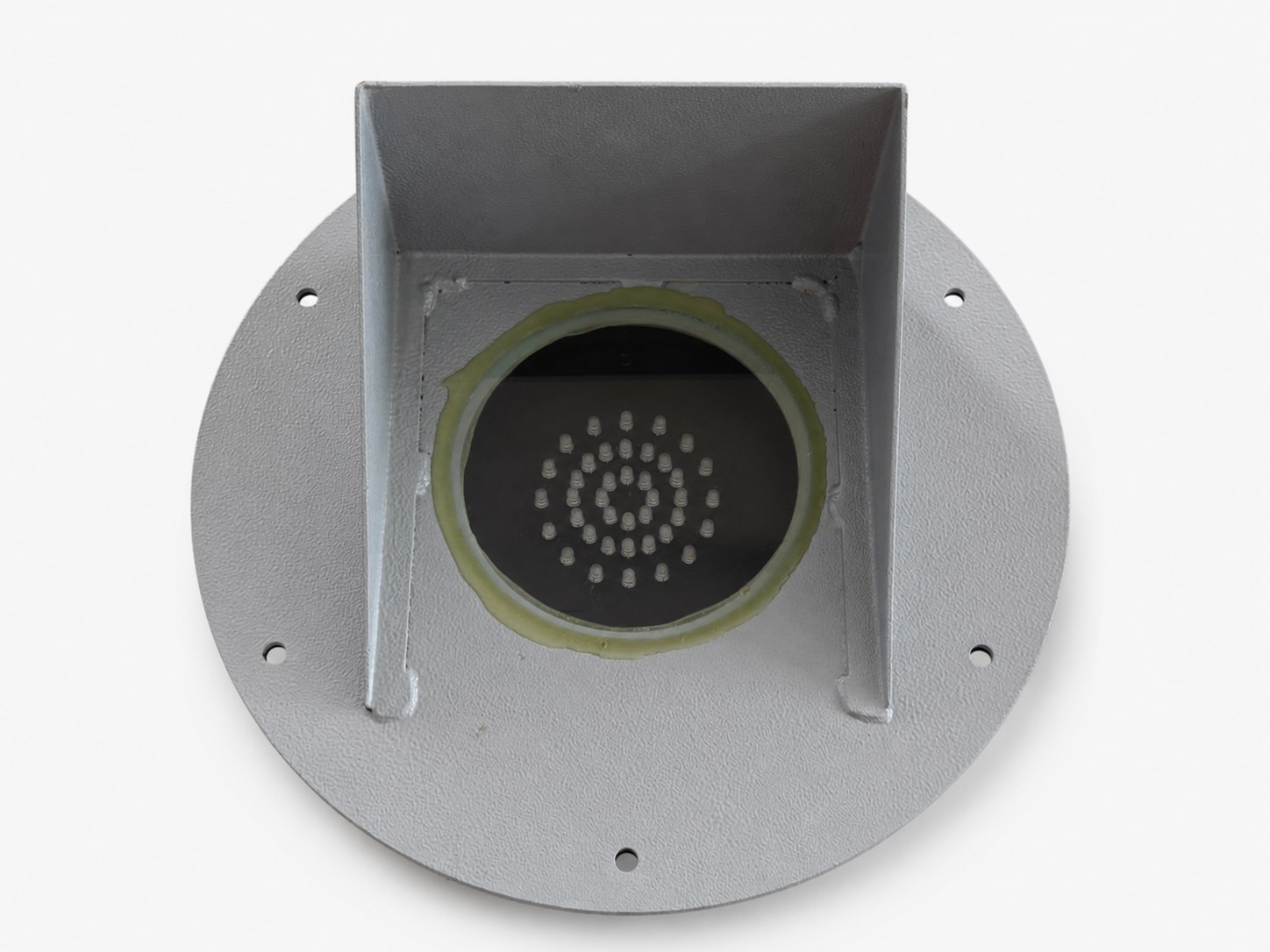
LED Based Tail Light
Rugged rear indication light with metal housing and LED cluster.
Enquire →Planning for the next fog season?
Fog season planning starts months ahead of the first foggy morning. Talk to us about quantities, delivery schedules and crew familiarisation for your division.